
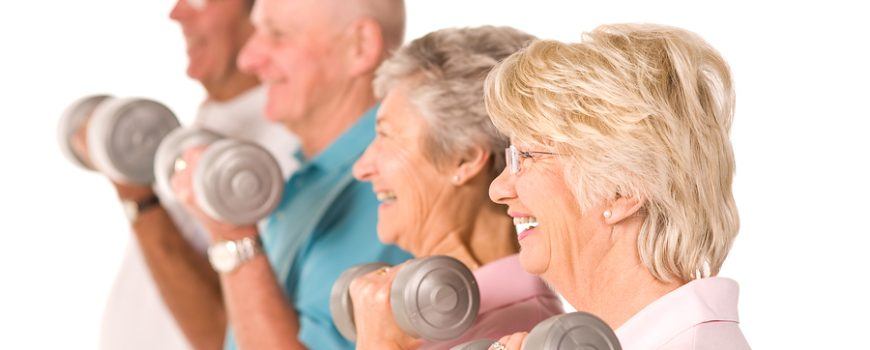
Strong Muscles, Stronger Future: Why Exercise Matters as We Age
Getting older is inevitable. Losing your strength and independence doesn’t have to be.
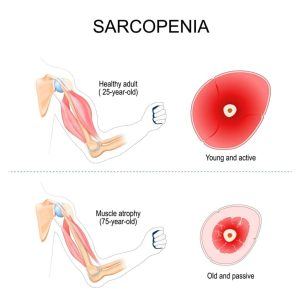
As we age, our bodies naturally lose some muscle mass and strength. When this becomes excessive and begins to affect everyday function, it is known as sarcopenia.
Sarcopenia can make everyday activities—such as climbing stairs, getting out of a chair, carrying shopping or walking—more difficult. It can also increase the risk of falls and loss of independence.
The good news? Regular exercise, particularly strength training, is one of the best ways to protect your muscles as you age.
Don’t Just Stay Active—Get Strong
Walking is excellent for your health, but maintaining muscle requires more than simply being active.
Resistance exercise is particularly important. Activities such as squats, lunges, resistance-band exercises, weights and sit-to-stand movements challenge your muscles and encourage them to remain strong.
Regular strength training can help:
· Maintain and improve muscle strength
· Support balance and mobility
· Make everyday activities easier
· Reduce the risk of falls
· Help maintain independence
· Support healthy ageing
You don’t have to become a bodybuilder! The goal is to find exercises that are safe, appropriate and challenging enough to stimulate your muscles.
A well-rounded exercise program can include strength, balance, aerobic and functional exercises. For older adults, programs should be tailored to individual abilities, health conditions and goals.
What About Chiropractic Care?
Chiropractic care doesn’t replace exercise However, it may have a useful supporting role in helping people remain active.
Pain, stiffness and reduced movement can sometimes make exercise difficult. A chiropractor can assess your musculoskeletal function and, where appropriate, provide advice about movement and exercise alongside other forms of care.
For some people, appropriate manual therapy may help reduce musculoskeletal discomfort and improve their ability to move comfortably. This may make it easier to participate in the strength-training program that is central to preventing and managing sarcopenia.
Your Muscles Need a Reason to Stay Strong
Think of your muscles as a “use it or lose it” system.
If you regularly challenge your muscles, your body has a reason to maintain them. If you become increasingly inactive, muscle strength and physical capacity can decline.
It’s never too late to start.
Whether you’re in your 40s, 50s, 60s, 70s or beyond, a suitable exercise program can help you build a stronger foundation for the years ahead.
Start Small. Get Stronger. Stay Independent.
If pain, stiffness or mobility problems are stopping you from exercising, speak with an appropriately qualified health professional about the best approach for you.
Your future self will thank you for the strength you build today.
References
Cruz-Jentoft, A. J., et al. (2019). Sarcopenia: Revised European consensus on definition and diagnosis. Age and Ageing, 48(1), 16–31. https://doi.org/10.1093/ageing/afy169
Dent, E., et al. (2018). International clinical practice guidelines for sarcopenia (ICFSR): Screening, diagnosis and management. The Journal of Nutrition, Health & Aging, 22, 1148–1161.
Hurst, C., et al. (2022). Consensus guidelines for sarcopenia prevention, diagnosis and management in Australia and New Zealand. Journal of Cachexia, Sarcopenia and Muscle.
Talarico, M. K., et al. (2023). Exercise for sarcopenia in older people: A systematic review and network meta-analysis. Age and Ageing.
McCarthy, C. J., et al. (2017). Best practices for chiropractic care for older adults: A systematic review and consensus update. Journal of Manipulative & Physiological Therapeutics, 40(4), 217–229.